
2026-09-17 · Thomas Reed
How to Check for Water Intrusion Around Carrollton Windows During High Winds
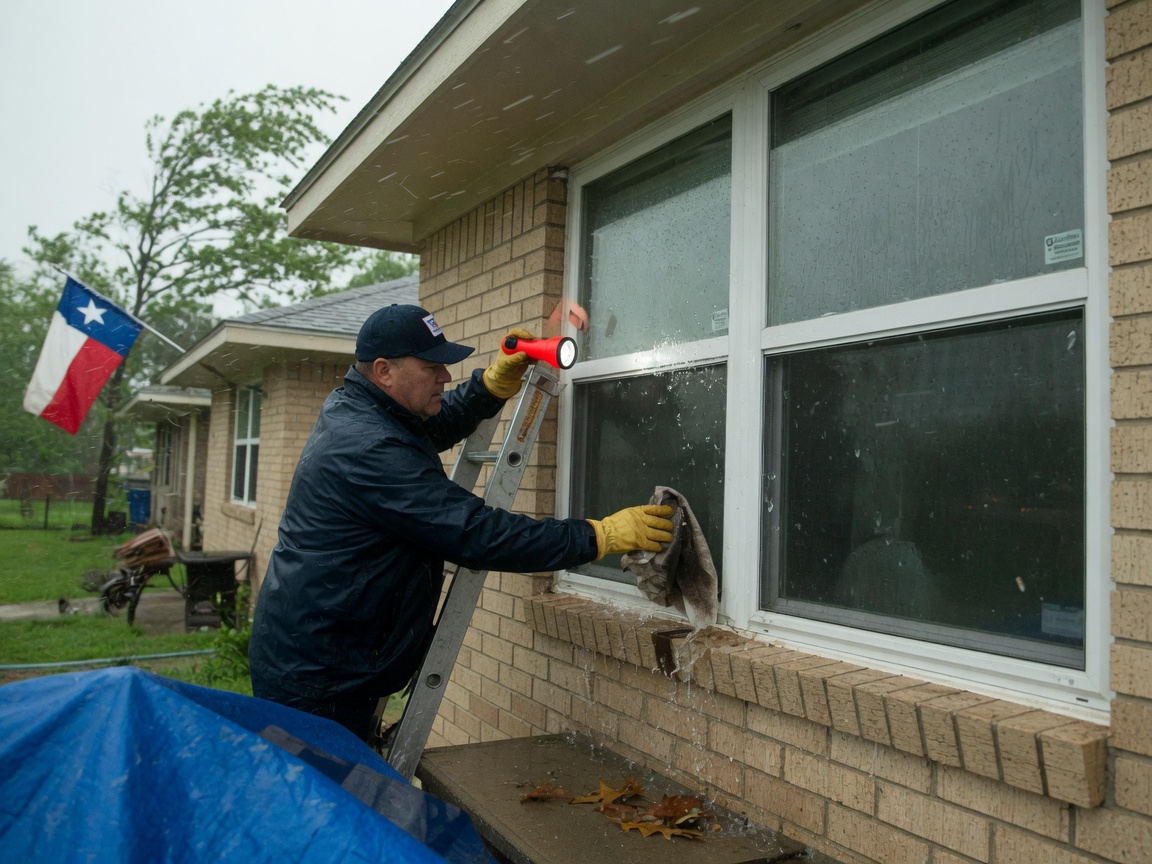
High winds during severe storms common to the Dallas region can force water past window seals in Carrollton homes within minutes when gusts exceed 40 mph. Start by examining the exterior caulk lines and interior sills in rooms facing prevailing winds after each event, looking for darkened wood or soft drywall within 12 inches of the frame.
Visual Inspection of Window Seals and Frames
Begin outside at ground level in neighborhoods such as Old Town Carrollton where many homes date to the 1970s and feature aluminum frames that expand and contract more than vinyl. Run a dry finger along the top and side beads to feel for gaps wider than 1/16 inch that allow wind-driven rain to enter. Move inside and press lightly on the drywall below the sill; any give or cool spots indicate trapped moisture from recent storms that hit Plano and Lewisville corridors. Repeat the check on every elevation because winds often shift during the same system. Older single-pane units common in Trinity Mills require closer attention since their original glazing compound cracks after 15–20 years of humid summers.
Testing for Active Intrusion During and After Storms
During the next high-wind event, place a dry paper towel on the interior sill and check it every 30 minutes for damp spots without opening the window. After the storm passes, use a moisture meter on the wood stool and jambs if available, targeting readings above 15 percent as a sign of intrusion. In Indian Creek and North Carrollton subdivisions, newer double-pane windows still leak at the meeting rail when wind pressure exceeds the weep hole capacity during the humid summer months. Note any musty odor near the baseboard that develops within 48 hours, as this points to hidden water that reached the wall cavity. Document the location and time for any future claim discussion.
Common Problem Areas in Carrollton Housing Stock
Homes near Josey Ranch Lake and the Carrollton Recreation Center often sit on slightly lower lots where runoff pools against foundations during heavy rain, increasing hydrostatic pressure on lower window sills. Check the exterior brick or siding transition at the window head for missing mortar or sealant that lets water travel downward. In Crosby Recreation Center vicinity, mature trees drop debris that clogs weep holes, so clear those slots with a thin wire after every storm season. Mild winters allow repeated freeze-thaw cycles that widen small cracks around older frames in Downtown Carrollton, turning minor gaps into active leak paths during the next severe weather.
Pay special attention to bay or picture windows added during renovations, as their mitered corners frequently fail first under sustained 50 mph gusts. Storm Damage Restoration addresses widespread wind-driven issues across multiple openings. Homeowners in rental properties can reference Water Damage Restoration for Carrollton Rental Properties for documentation steps that align with these checks.
When to Call for Professional Assessment
If moisture readings stay elevated after 72 hours of drying or if drywall shows bubbling along more than one window, contact a local team for Structural Drying before mold sets in. Persistent stains near the header in older North Carrollton stock often trace back to roof-to-window flashing failures that require targeted repair rather than simple recaulking. Track patterns across multiple storms to identify whether the intrusion repeats on the same elevation, which helps isolate whether the issue stems from the window itself or surrounding wall assembly.